

Receiving a container of air fryers only to find defects can be a nightmare. We’ve seen how these issues damage brand reputation and profits. A detailed inspection is your best protection.
To inspect air fryers from China, focus on safety certifications, functional performance, and cosmetic quality. Check that the final product matches the approved sample, especially the plug, voltage, and markings for your specific market. This prevents costly problems after shipment.
Let’s break down the key details to ensure your air fryer shipment meets your standards.
What key areas should I focus on during product inspection?
Are you worried your inspection might miss a critical flaw? It’s a common fear, but easily managed. In our production lines, we focus on a systematic checklist covering all essential aspects.
Focus on four key areas: safety and certifications, appearance and workmanship, functional performance, and packaging. These categories cover everything from electrical safety and material quality to user experience and shipping durability, ensuring a comprehensive product evaluation.

A proper inspection breaks the product down into logical parts. It’s not just about turning it on and off. At our facility, we encourage clients to use or provide a detailed checklist that covers the entire product experience, from unboxing to cooking.
Safety and Certifications
This is non-negotiable. The product must be safe for your customers and compliant with your market’s regulations. First, check the rating label. Does the model number, voltage, and power rating match your purchase order? Most importantly, verify the certification marks1 (e.g., ETL for the US, CE for Europe). We always provide copies of our certification reports, and you should demand that your inspector cross-references the model number on the report with the one on the unit. Physical safety checks are also crucial. Ensure there are no sharp edges, the unit is stable, and the auto-shutoff engages when the basket is removed.
| Safety Check | Pass Criteria |
|---|---|
| Overheat Protection | Unit shuts down automatically if internal temp exceeds limits. |
| Basket Auto-Shutoff | Power cuts immediately when the basket is pulled out. |
| Cord & Plug | Correct type for the target market, no damage or defects. |
| Stability Test | Unit does not tip over when placed on a 15-degree incline. |
| Sharp Edge Check | No accessible edges can cause cuts during normal use. |
Appearance and Workmanship
This area defines the customer’s first impression. Look for cosmetic defects2 like scratches, dents, or inconsistent paint. Gaps between plastic parts should be minimal and uniform. A poorly assembled unit not only looks cheap but can also be a sign of deeper quality issues. We run our hands over every surface to feel for imperfections. Also, check for any strong chemical or plastic odors, which can indicate the use of low-grade materials that may not be food-safe. The basket’s non-stick coating should be flawless, with no bubbles or peeling.
How can I ensure the inspection process is thorough and unbiased?
Worried that your supplier might hide issues or influence the inspection? This is a valid concern. We believe transparency is key, which is why we welcome third-party inspectors and provide full access to production batches.
To ensure a thorough and unbiased inspection, use a detailed, pre-agreed checklist based on AQL standards. Hire a reputable third-party inspection company or send your own trained staff. The process must be independent of the factory’s internal QC team.

An unbiased inspection relies on a clear, objective standard that both you and the supplier agree on beforehand. This standard is typically defined by an Acceptance Quality Limit (AQL) chart.
The Role of AQL
AQL isn’t a measure of quality; it’s a statistical tool that defines the maximum number of defective units acceptable in a randomly selected sample size. Before the inspection, you must define:
- Lot Size: The total number of units in the production batch.
- Inspection Level: Usually General Level II for consumer goods.
- AQL Levels3: You will set different AQLs for critical, major, and minor defects. For example, 0% for critical defects, 2.5% for major, and 4.0% for minor.
A critical defect is a safety hazard. A major defect affects the product’s function or usability. A minor defect is a small cosmetic issue. If the number of defects found exceeds the AQL limits, you have the right to reject the entire batch.
Third-Party vs. In-House Inspection
Hiring a third-party inspection service4 is the most common way to get an unbiased report. These companies are trained professionals who work for you, not the factory. They follow standardized procedures and provide detailed reports with photos and videos.
If you have a team in China, you can send your own staff. However, ensure they are well-trained on the product and the inspection criteria. The key is independence. The inspector should report directly to you, and their findings should be based solely on the checklist and AQL standards. We find that working with professional inspectors streamlines communication, as they speak the technical language of quality control.
What documentation should I collect during inspections?
Are you sure you have all the paperwork to prove compliance and quality? An inspection is incomplete without proper documentation. When we prepare for a client’s shipment, we organize all relevant documents for a smooth review.
Collect the inspection report with photos and videos, a copy of the product’s safety certifications (like UL/ETL/CE), and the factory’s internal QC reports. Also, obtain the Bill of Materials (BOM) for key components to ensure consistency with the approved sample.
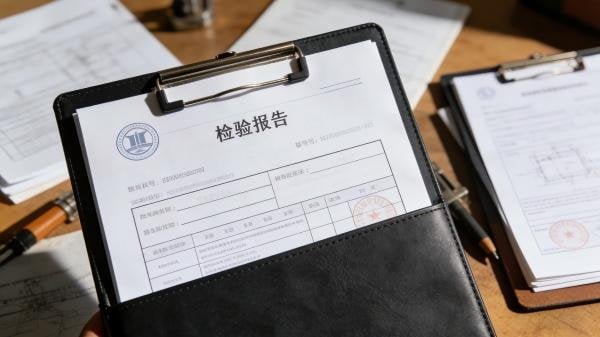
Think of documentation as your evidence. It protects you in case of disputes and ensures the supplier has met all contractual obligations. A thorough inspector will not only check the product but also verify the paperwork associated with it.
The Inspection Report
This is the most critical document. It should be a detailed record of the inspector’s findings, created at the factory site during the inspection. A good report includes:
- An overview of the findings, including a pass/fail summary based on AQL.
- High-quality photos of the products, production line, and any defects found.
- A detailed list of all checks performed (functional, safety, cosmetic).
- Photos of the packaging, user manual, and shipping marks to confirm they match your requirements.
- A conclusion about whether the shipment is recommended for release.
Supporting Compliance Documents
Beyond the inspection report, you need proof of compliance and material consistency.
| Document Type | Purpose | Why It’s Important |
|---|---|---|
| Safety Certificates5 | Confirms compliance with market regulations (e.g., ETL, CE, RoHS). | Essential for customs clearance and legal sale in your market. |
| Bill of Materials (BOM) | Lists all components used in the product. | Verifies that no cheaper, unapproved components were substituted. |
| Factory QC Reports | Shows the factory’s own quality control results during production. | Provides insight into the supplier’s quality management system. |
| User Manual Draft | The final version of the manual included with the product. | Ensures instructions are clear, accurate, and include safety warnings. |
We always have these documents ready for our clients’ review. A supplier who is hesitant to share them may have something to hide. Collecting and reviewing this paperwork is a crucial step that should never be skipped.
How do I address issues discovered during inspection?
Finding defects during an inspection can be stressful. What’s the next step? In our experience, clear communication and a pre-defined plan are essential. This turns a problem into a manageable situation.
Immediately communicate all findings to your supplier with the detailed inspection report. Request a corrective action plan (CAP) detailing how they will fix the issues. You can ask for sorting, rework, or, in severe cases, a full reproduction of the order.

Discovering issues doesn’t automatically mean disaster. How your supplier responds is a true test of your partnership. A good partner will work with you to find a solution, not make excuses.
Immediate Steps
Once you receive a "Fail" inspection report, do not approve the shipment. Forward the complete report to your supplier contact and schedule a call to discuss it. Clearly state the issues, referencing specific photos and findings from the report. Avoid emotional language; be firm and professional.
Negotiating a Solution
Your options depend on the severity and quantity of the defects.
- Sorting and Rework: This is the most common solution. The factory sorts the entire batch to find and remove all defective units. They then rework or replace the faulty products. You should always request a re-inspection after the rework is complete to verify the fix.
- Request a Discount: For minor cosmetic issues that don’t affect function or safety, you might negotiate a discount on the affected units and accept the shipment as-is. This is risky and should only be considered if you are confident the defects won’t lead to customer returns.
- Reject the Batch: If the defects are critical (e.g., safety failures) or major issues are widespread, you have the right to reject the entire lot. This may mean the factory has to reproduce the order. This is a last resort, as it will cause significant delays, but it is necessary to protect your brand and customers.
We stand by the quality of our products, so when an issue is found, our team’s first priority is to create a clear corrective action plan. We document how we will fix the problem and provide a timeline for the re-inspection, ensuring our clients feel confident in the final shipment.
Conclusion
A detailed inspection is your final line of defense. By focusing on key areas, using objective standards, and collecting proper documents, you protect your investment and ensure customer satisfaction.
-
Understanding certification marks like ETL and CE is crucial for ensuring product safety and compliance with regulations. ↩
-
Learning to spot cosmetic defects can help maintain quality standards and improve customer satisfaction. ↩
-
Understanding AQL levels is crucial for effective quality control. Explore this link to learn how to set appropriate AQL levels for your products. ↩
-
Hiring a third-party inspection service can enhance product quality. Discover the advantages and best practices by exploring this resource. ↩
-
Safety Certificates are crucial for legal sales and customs clearance, ensuring your products meet market regulations. ↩