

Navigating warranties on China-sourced air fryers can feel risky. Vague terms often lead to unsellable stock and lost profits, a common issue we help our partners avoid.
To confirm the warranty, you must get a detailed written statement before purchasing. This document should specify coverage duration, defect types covered, and the exact procedures for claims, including return shipping responsibilities and the supplier’s repair or replacement policies.
Understanding the fine print of a warranty agreement is crucial before you commit to an order. Let’s break down the essential steps to protect your business and ensure you get the support you expect.
What steps should I take to clarify the warranty service process?
Finding a clear answer on warranty terms can be frustrating. We often see new buyers accept verbal promises, only to face disputes later when a problem arises with a shipment.
Before placing an order, request a formal warranty document. You should verify the warranty duration, what specific defects are covered, the process for returns or repairs, and who is responsible for shipping costs. This clarity prevents future conflicts and financial loss.
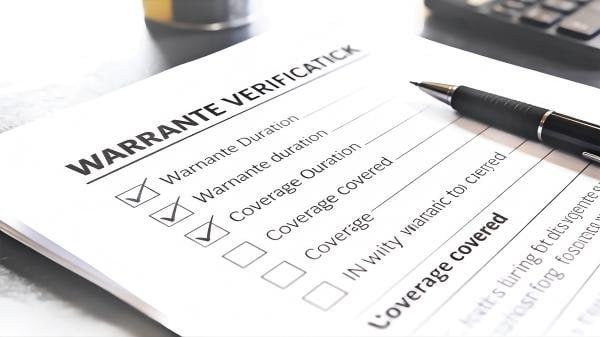
Clarifying the warranty is not just a formality; it’s a critical part of your sourcing strategy. It requires a proactive and detailed approach. When we work with clients, we build this clarity into the very first stages of our partnership to ensure there are no surprises down the line.
H3: Key Verification Checklist
Before signing any contract, use a checklist to question your potential supplier. An experienced supplier will have ready answers and documentation for these points. If they hesitate or provide vague answers, it’s a significant red flag. You need to know exactly what is and isn’t covered. For instance, is cosmetic damage from shipping covered, or only functional failure? Who pays for return shipping to China—you or the supplier? These details matter.
Here is a basic checklist to guide your conversation:
| Verification Point | What to Ask | Ideal Answer |
|---|---|---|
| Coverage Duration | "What is the standard warranty period for your air fryers?" | "1-2 years from the date of shipment or delivery." |
| Covered Defects | "What types of defects are covered? Functional, cosmetic?" | "We cover all functional defects. Cosmetic issues are covered if reported within 30 days of receipt." |
| Claim Process | "What is the exact process for filing a warranty claim1?" | "Email us with photo/video evidence, the serial number, and the original invoice." |
| Shipping Costs | "Who pays for shipping for returns or replacement parts?" | "The buyer covers shipping to our facility; we cover shipping for the repaired/replacement unit." |
H3: Understanding Service Procedures
The procedure itself is as important as the coverage. Chinese manufacturers often prefer to repair products or send replacement parts rather than issue refunds. It is vital to understand their standard procedure. Ask if they have service centers or partners in your region. Most do not, meaning defective units will likely need to be shipped back to China, which can be expensive and time-consuming. From our production lines, we know that tracking units by serial number is key to managing warranties effectively, so ensure your supplier has a robust system for this.
How can I document and communicate warranty procedures with suppliers?
Relying on verbal agreements for warranties is a recipe for disaster. When issues arise, memories fade and emails get lost, which is why we always formalize everything in writing.
The most effective method is to include a specific warranty clause directly in your purchase agreement or manufacturing contract. This legally binding document should detail the entire procedure, responsibilities, and remedies, leaving no room for interpretation or dispute.

Effective documentation is your best defense. It transforms a simple "promise" into an enforceable commitment. Your supplier contract is the single most important place to outline these terms. Don’t relegate warranty details to a separate, less formal document. It should be an integral part of your main agreement.
H3: Crafting an Enforceable Warranty Clause
Your warranty clause should be clear, concise, and unambiguous. Avoid jargon and use plain language. Specify the "who, what, when, where, and how" of the warranty process. This clause should be reviewed by a legal professional familiar with international trade, but you can draft the core components yourself.
Here are the essential elements to include:
| Clause Component | Description | Example Wording |
|---|---|---|
| Warranty Period2 | The exact start and end date of the coverage. | "The warranty period is twenty-four (24) months, beginning from the date of delivery at the destination port." |
| Scope of Warranty | Defines what is covered (e.g., defects in material and workmanship). | "Supplier warrants that products will be free from defects in material and workmanship under normal use." |
| Remedies | The specific actions the supplier will take (repair, replace, credit). | "For valid claims, Supplier will, at its discretion, repair the defective unit, provide a replacement unit, or issue a credit note." |
| Claim Procedure | Step-by-step instructions for the buyer to file a claim. | "Buyer must notify Supplier of any defect in writing within 14 days of discovery, providing photographic evidence and the unit’s serial number." |
| Exclusions | What is not covered (e.g., misuse, unauthorized repairs). | "This warranty does not cover damage resulting from improper installation, misuse, accidents, or unauthorized modification." |
H3: Communication Best Practices
Once documented, maintain clear communication channels. We recommend establishing a single point of contact for all warranty-related issues. Use a shared document or project management tool to track claims, communication, and resolutions. Always communicate in writing (email is sufficient) to create a paper trail. If you have a discussion over the phone or a messaging app like WhatsApp, follow up with an email summarizing what was discussed and agreed upon. This practice ensures both parties are aligned and creates a record that can be referenced later.
What information is needed for smooth warranty claims?
A disorganized claim is an easily rejected claim. When we receive warranty requests, the ones with complete information are resolved in days, while incomplete ones can drag on for weeks.
To ensure a smooth claim, you must provide clear evidence of the defect, proof of purchase, and the product’s identification details. This typically includes photos or videos of the issue, the original invoice, and the model and serial number.
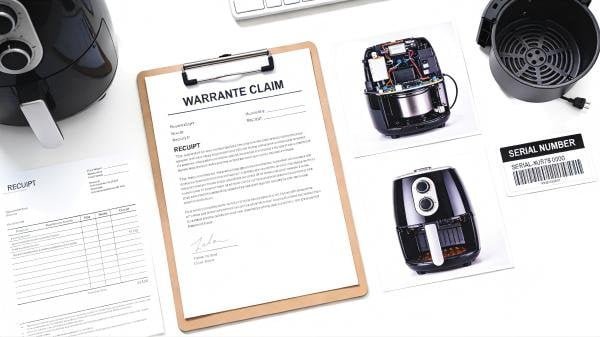
Being prepared is half the battle. When a customer reports a defective unit, your first step should be to gather all necessary information before even contacting your supplier. This organized approach demonstrates professionalism and makes it much easier for the supplier’s technical team to diagnose the problem and approve the claim. Think of it as building a case file; the more complete it is, the stronger your position.
H3: Building Your Claim "Package"
Treat every claim like a mini-project. Create a dedicated folder for each one and gather the necessary files. This systematic approach streamlines the process for everyone involved. Your supplier’s after-sales team is likely handling numerous cases, and a well-prepared package will get their attention and a faster response.
Here’s a breakdown of the essential information to collect:
| Information Type | Why It’s Needed | Example |
|---|---|---|
| Proof of Purchase3 | Verifies the product is yours and within its warranty period. | A copy of the commercial invoice or purchase order. |
| Product Identification | Allows the supplier to track the specific unit and its manufacturing batch. | Model Number (e.g., AF-550) and a clear photo of the Serial Number. |
| Evidence of Defect | Helps the supplier’s engineers understand the problem remotely. | High-resolution photos from multiple angles; a short video demonstrating the malfunction. |
| Detailed Description | Provides context and helps diagnose the root cause of the issue. | "The unit fails to power on. We tried three different outlets. No lights or sound." |
H3: The Importance of Serial Numbers4
From our manufacturing perspective, serial numbers are everything. They allow us to trace a single air fryer back to its specific production date, the batch of components used, and even the quality control reports from that day. A supplier who doesn’t use or track serial numbers cannot effectively manage quality or warranties. Insist that your products have unique, durable, and easily accessible serial numbers. This is non-negotiable for any serious B2B buyer. It not only facilitates warranty claims but also helps manage recalls if a widespread "epidemic failure" occurs.
How do I handle disputes over warranty service?
Even with a solid contract, disputes can happen. A supplier might reject a claim or delay a resolution. In our experience, escalating the issue with a clear, evidence-based approach is key.
When a dispute arises, first re-read your contract to confirm your rights. Then, present your evidence-backed case to the supplier in writing. If they remain unresponsive, escalate to their management or consider involving a third-party mediator or legal counsel.
Understanding the warranty claim process is crucial for ensuring you can effectively address any issues with your purchase. ↩ Understanding the warranty period is crucial for both parties to ensure clarity and avoid disputes. ↩ Understanding the significance of proof of purchase can help you ensure your warranty claims are valid and effective. ↩ Exploring the role of serial numbers can enhance your knowledge of product tracking and warranty management. ↩