
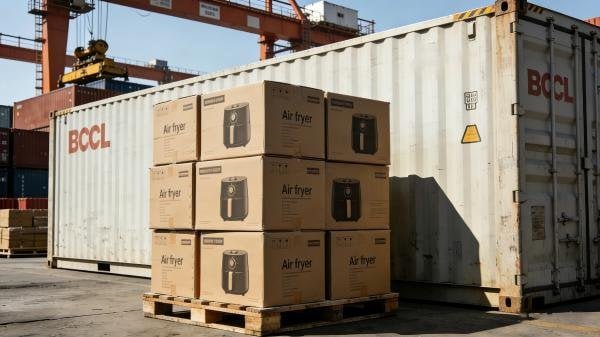
Struggling with getting your air fryer shipment from China? Delays and hidden costs can eat into your profits. We frequently guide our clients through this, ensuring their products arrive safely.
To choose a suitable logistics company, you must evaluate their industry experience, verify their licenses, compare transparent quotes for different shipping methods like sea or air, and confirm they offer comprehensive services like DDP (Delivered Duty Paid) for hassle-free customs clearance.
Choosing the right partner is crucial for your import business. Let’s break down the key factors to consider to ensure your air fryers arrive on time and on budget.
What criteria should I use to evaluate logistics providers?
Worried about picking an unreliable forwarder? A bad choice can lead to lost goods and customs nightmares. From our experience shipping globally, we know what separates a great partner from a risky one.
Evaluate logistics providers based on their valid business licenses, experience with appliances, strong communication, and positive client reviews. Ensure they have expertise in China-US customs regulations and a reliable network of carriers to prevent delays and compliance issues.
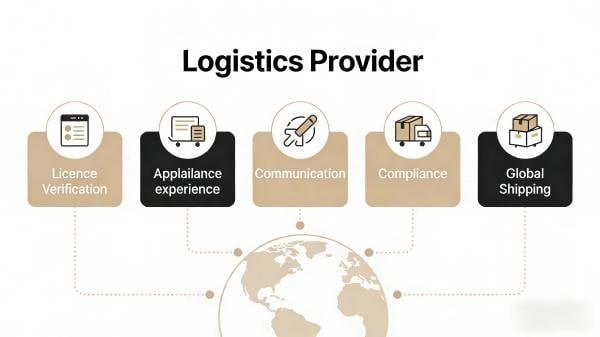
When you select a logistics provider, you’re choosing a partner for a critical part of your supply chain. It’s not just about the price. A thorough evaluation can save you from costly headaches down the road. In our factory, we always advise clients to look beyond the initial quote and examine the provider’s capabilities.
Verify Legitimacy and Experience
First, confirm the company is legitimate. Ask for their business licenses1 and any relevant certifications. A reliable forwarder should have no problem providing these. Experience is equally important. A company that regularly ships electronics and small appliances will understand the specific requirements, like proper packaging to prevent damage and correct handling procedures. They will be familiar with the necessary documentation and HS codes for air fryers, which prevents customs delays.
Assess Communication and Responsiveness
Effective communication is non-negotiable. How quickly do they respond to your inquiries? Are their answers clear and helpful? When we coordinate shipments, we need a partner who provides timely updates and is proactive about potential issues. A good provider will assign you a dedicated representative who understands your account and can offer support in your time zone.
Key Evaluation Checklist
Here is a simple checklist to help you evaluate potential logistics partners.
| Criteria | What to Look For | Why It Matters |
|---|---|---|
| Licensing & Compliance | Valid business license, customs brokerage certificate2, NVOCC registration. | Ensures the company is legally authorized to handle your freight and clear customs. |
| Industry Experience | Proven track record of shipping kitchen appliances or similar electronics. | They understand product-specific risks, packaging needs, and customs classifications. |
| Responsiveness | Prompt and clear replies to emails and calls; offers a dedicated contact person. | Fast problem-solving and reliable updates are crucial for managing your supply chain. |
| Client References | Willingness to provide references or show positive online reviews. | Provides third-party validation of their service quality and reliability. |
How can I compare shipping costs and service levels?
Confused by different shipping quotes? It’s hard to tell if you’re getting a good deal or just a low price with hidden fees. We always encourage our partners to get detailed breakdowns.
Compare costs by requesting detailed quotes for different Incoterms (like FOB vs. DDP) and shipping methods (sea vs.air). Evaluate service levels by checking their tracking technology, communication responsiveness, and a willingness to offer value-added services like consolidation.
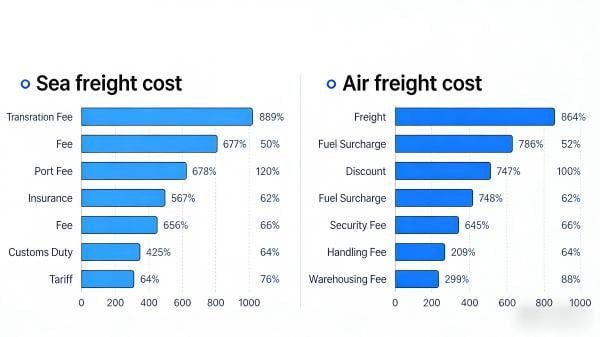
A low price tag can be tempting, but it often hides future expenses. The cheapest option is rarely the best value. To make an informed decision, you need to compare what is actually included in each offer. A comprehensive quote should clearly separate freight charges from other fees like customs, duties, and local delivery.
Understand the Total Landed Cost
Don’t just look at the shipping rate. Ask for the total landed cost3, which includes all expenses required to get the product to your door. This means freight, insurance, customs duties, taxes, and terminal handling charges. A transparent forwarder will provide a quote that breaks down these costs. The DDP (Delivered Duty Paid) Incoterm is often simplest for importers, as the forwarder handles all these costs and risks.
Compare Service Levels
Service quality is as important as cost. Does the provider offer real-time online tracking? Can they consolidate shipments from different suppliers for you? A higher service level might include better insurance coverage, warehousing options, or in-house customs brokerage. These services can streamline your operations and provide peace of mind.
Here’s a comparison of common shipping methods we help our clients choose between:
| Shipping Method | Best For | Typical Transit Time | Cost Level |
|---|---|---|---|
| Sea Freight (FCL/LCL) | Bulk orders (over 2 CBM), cost-sensitive | 30-45 days | Low |
| Air Freight | Urgent or medium-sized orders, high-value goods | 7-12 days | High |
| Express Courier | Small sample orders, very urgent shipments | 3-7 days | Very High |
Always weigh the transit time against the cost to find the right balance for your inventory needs.
What questions should I ask about experience with kitchen appliances?
Shipping a container of T-shirts is different from shipping air fryers. You need a forwarder who understands electronics. When we prepare a shipment, we ensure our logistics partner knows exactly what they are handling.
Ask if they have experience shipping air fryers or similar electronics. Inquire about their process for handling fragile items, managing HS code classification for appliances, and their knowledge of any regulations related to electronic components or batteries.
Asking the right questions upfront can reveal a forwarder’s true expertise. A generic "yes, we ship everything" is not enough. You need specific assurances that they can handle the unique challenges of kitchen appliances. Air fryers are bulky, contain electronic components, and can be susceptible to damage if not handled correctly. An experienced partner will already have protocols in place for these goods.
Questions About Handling and Packaging
Start by asking about their standard procedures for handling fragile electronics4. Do they recommend specific packaging or crating? Can they offer reinforcement or inspection services at the port of origin? Our production lines use robust packaging, but extra precautions during transit are always wise. An experienced forwarder can advise on this.
Questions About Customs and Regulations
Customs clearance is a major potential bottleneck. Ask them what HS code5 they would use for an air fryer and why. An incorrect code can lead to fines or delays. Furthermore, some electronic products have specific import regulations. Ask if they are aware of any FCC requirements6 or other compliance standards for electronics imported into the US. A knowledgeable partner will be able to guide you through this.
Key Questions to Ask a Potential Forwarder
| Category | Specific Question | Desired Answer |
|---|---|---|
| Product Handling | "What is your experience shipping kitchen appliances like air fryers?" | Details on past shipments, knowledge of fragility, and specific handling procedures. |
| Customs Expertise | "What HS code5 do you typically use for air fryers and have you faced issues?" | A confident answer with the correct code (e.g., 8516.79) and an explanation. |
| Regulations | "Are you familiar with FCC or other regulations for importing electronics into the US?" | Acknowledgment of regulations and how they ensure compliance during the shipping process. |
| Problem Solving | "How did you handle a past shipment that was delayed or inspected by customs?" | A clear example of proactive communication and problem resolution. |
How do I ensure reliable and timely delivery of my orders?
Late shipments disrupt your business, leading to stockouts and unhappy customers. We work tirelessly to meet production deadlines, and we expect the same reliability from our logistics partners.
Ensure reliability by choosing a forwarder with strong carrier relationships and pre-booked capacity. Mitigate delays by setting clear delivery timelines in your contract, using real-time tracking, and maintaining open communication with your provider for quick problem-solving.
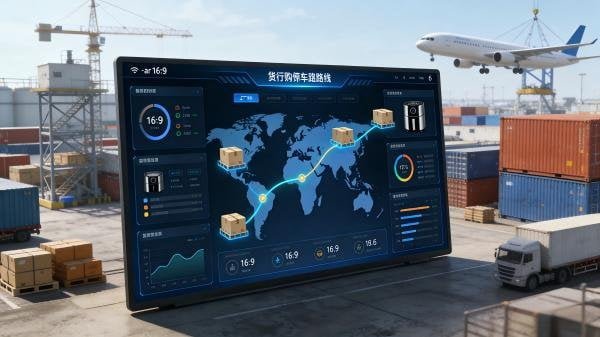
Reliability isn’t about luck; it’s about planning and partnerships. A dependable freight forwarder uses their industry connections and technology to keep your shipment on track. While no one can prevent all possible delays, a great partner can anticipate risks and manage them effectively.
Strong Carrier Relationships
A forwarder with strong relationships with major ocean and air carriers7 gets access to better rates and, more importantly, guaranteed space. During peak seasons or periods of port congestion, forwarders without these connections may see their cargo get "bumped" to a later vessel. Ask potential partners which carriers they work with. This is a good indicator of their network strength and ability to secure capacity for your shipments.
Proactive Tracking and Communication
Don’t wait for a problem to arise. Your logistics provider should offer a robust tracking system8 that gives you end-to-end visibility of your shipment. This technology allows you to see where your air fryers are at every stage, from leaving our factory in China to arriving at your warehouse. Furthermore, establish a clear communication protocol. Your contact person should provide regular updates and immediately notify you of any potential delays, along with a plan to mitigate them. This transparency allows you to manage your inventory and customer expectations effectively.
Conclusion
Choosing the right logistics company is a strategic decision. Focus on experienced, transparent partners who understand your product and can provide reliable, end-to-end service for a smooth import process.
-
Understanding business license requirements helps ensure you’re working with a legitimate logistics partner. ↩
-
Learn about customs brokerage certificates to ensure your logistics provider can handle customs efficiently. ↩
-
Understanding the total landed cost is crucial for budgeting and avoiding unexpected expenses when importing goods. ↩
-
Explore this link to learn essential tips for safely handling and shipping fragile electronics. ↩
-
Understanding HS codes is crucial for smooth customs clearance; this resource provides detailed insights. ↩ ↩
-
This link offers comprehensive information on FCC regulations, ensuring compliance for your electronic imports. ↩
-
Understanding the advantages of strong carrier relationships can help you choose a logistics partner that ensures timely and cost-effective shipping. ↩
-
Exploring the impact of a robust tracking system can enhance your understanding of shipment management and customer satisfaction. ↩