

Sourcing air fryers feels like a gamble, doesn’t it? A bad supplier choice can cost you money and damage your brand. We’ll show you how we vet partners.
To assess an air fryer supplier’s reputation, you must combine multiple checks. This includes verifying their business license, analyzing their performance on B2B platforms, arranging third-party factory audits, and confirming product certifications. Using these methods together provides a reliable overall picture of their credibility.
Let’s break down these steps so you can apply them to your own sourcing process.
What sources can I use to research supplier reputation?
Finding the right information among countless online suppliers can feel overwhelming. It’s hard to know which documents or websites are truly reliable. We use a clear process to cut through the noise.
You should use a combination of official Chinese government databases, major B2B platforms like Alibaba, and independent third-party audit reports. Also, requesting customer references and verifying product certifications directly with issuing bodies are crucial sources for building a complete reputational profile.
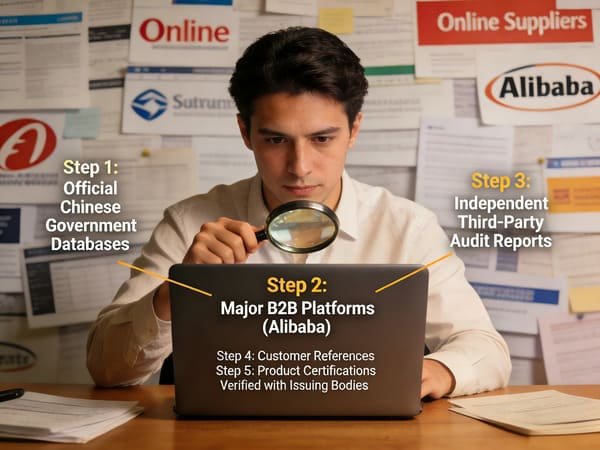
To properly research a supplier, you need to look at both official records and their operational history. Simply trusting their website or sales pitch is not enough. A multi-pronged approach gives you the most accurate view of their business.
Verify Company Legitimacy
The first step is always to confirm you’re dealing with a legally registered company. Many buyers skip this, but it’s fundamental. Ask for the supplier’s full legal name in Chinese, not just their English brand name. With this and their business license number1, you can verify their status in official Chinese databases. This check confirms their registration, legal address, and business scope. We’ve seen cases where a company’s claimed factory address doesn’t match their registered one—a major red flag. If they claim to be a manufacturer, ask for photos of their factory and a list of main equipment. This should align with the products they make, like air fryers and other small kitchen appliances.
Utilize Platform Metrics and History
B2B platforms2 are more than just directories; they are data goldmines. On sites like Alibaba, look beyond the product photos. Examine key metrics:
- Years in Business: Longer history often indicates stability.
- Response Rate & On-Time Delivery Rate: High percentages (90%+) show professionalism.
- Review Scores & Reorder Rate: These reflect customer satisfaction and loyalty.
These numbers give a quick, data-driven snapshot. A supplier with a long history, great delivery rates, and happy repeat customers is generally a safer bet.
| Information Source | What to Look For | Why It Matters |
|---|---|---|
| Official Business Database | Legal name, registration status, business scope | Confirms they are a legitimate, legally operating entity. |
| B2B Platform (e.g., Alibaba) | Years on platform, delivery rate, reviews, reorder rate | Provides a track record of their performance with other buyers. |
| Third-Party Audit Reports3 | Quality systems (ISO 9001), equipment, social compliance | Gives an unbiased, on-the-ground view of their factory’s real capabilities. |
| Customer References4 | Feedback on quality, communication, problem-solving | Offers real-world insight from peers in your industry. |
How can I check for reviews, ratings, or complaints about a supplier?
You see high star ratings, but can you trust them? Relying on superficial scores can lead you into a partnership that ends with defective products and angry customers.
Check reviews by reading detailed comments on B2B platforms, focusing on specifics about product quality, defects, and after-sales support. Don’t just look at stars. Request customer references and contact them directly to ask about their experiences with quality and delivery timeliness.
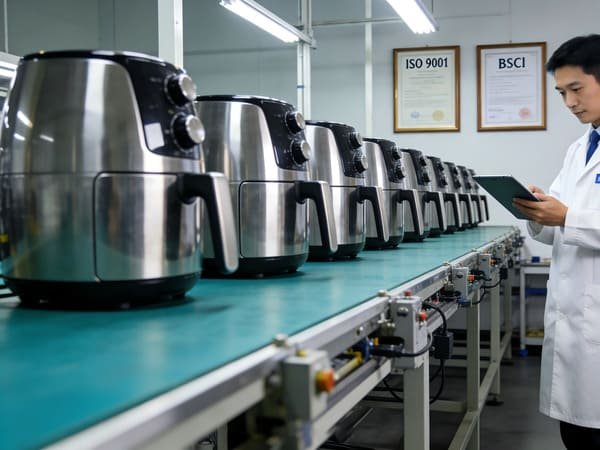
The key is to dig deeper than the surface-level rating. A five-star rating is meaningless if the comments reveal recurring issues that are relevant to your business.
Analyzing B2B Platform Feedback
When scrolling through a supplier’s page on a platform like Alibaba or Made-in-China, skip the generic "good supplier" comments. Look for detailed feedback, especially for products similar to the air fryers you want to source. Pay close attention to mentions of:
- Product Quality5: Are there complaints about plastic smells, inconsistent heating, or peeling non-stick coatings?
- Defect Rates6: Do buyers mention receiving a high number of faulty units?
- After-Sales Handling7: How did the supplier respond to problems? Were they helpful or did they disappear?
- Schedule Adherence8: Were orders consistently delayed?
This level of detail tells you much more about their real-world performance than a simple star rating. Even good suppliers have occasional issues; what matters is how they resolve them.
Requesting and Vetting Customer References
A confident supplier should be willing to provide references from current or past clients, especially those in non-competing markets. When you get a reference, be respectful of their time. Prepare a short, focused list of questions:
- How long have you worked with this supplier?
- How would you rate their air fryer quality and consistency?
- Have you ever had a major quality or delivery issue? How did they handle it?
- Would you recommend them for a long-term partnership?
A positive response from a fellow importer is a strong signal of credibility. If a supplier is hesitant to provide references, it could be a warning sign.
| Review Component | What to Look For (Positive) | What to Look For (Negative / Red Flag) |
|---|---|---|
| Star Rating | High overall rating (e.g., 4.5+/5.0) | Many low ratings, or only perfect 5.0 ratings (could be fake). |
| Written Comments | Specific praise on build quality, communication, packaging. | Vague praise, or specific complaints about defects, delays, poor service. |
| Date of Reviews | Consistent positive feedback over several years. | A sudden drop in ratings, or all reviews from a very short time period. |
| Supplier Responses | Professional and helpful replies to negative feedback. | No response, or aggressive/defensive replies to complaints. |
What questions should I ask to gauge credibility during negotiations?
Are you asking the right questions in your supplier meetings? A simple conversation can reveal a lot if you know what to listen for, separating true partners from risky traders.
During negotiations, ask about their quality control process for air fryers, how they handle material price fluctuations, and their experience with your target market’s compliance standards (like UL or CE). Their ability to provide detailed, transparent answers demonstrates their expertise and credibility.
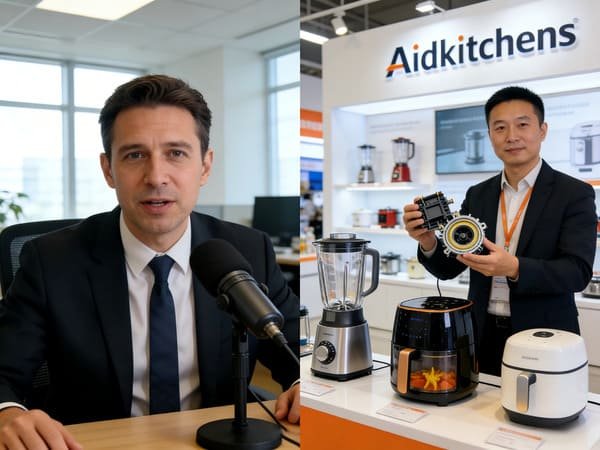
The goal of these questions isn’t just to get information; it’s to assess their transparency, expertise, and problem-solving abilities. Their answers (or lack thereof) are very telling.
Questions About Quality and Production
A credible manufacturer will have well-defined processes. We are always prepared to answer these questions for our clients. You should ask:
- "Can you walk me through your quality control process9, from incoming materials to final pre-shipment inspection for air fryers?"
- "What are the key functional and safety tests you perform on every batch?"
- "Who are your main component suppliers for critical parts like heating elements and motors?"
- "What is your production capacity, and what is your current production load?"
Vague answers are a red flag. A reliable partner can describe their QC checkpoints and testing protocols in detail. For example, our process includes motor stress tests and multiple checks on non-stick coating adherence.
Questions About Business Practices and Compliance
These questions test their business maturity and experience with international trade.
- "How do you manage potential production delays or raw material price increases?"
- "What certifications (e.g., ISO 900110, BSCI) does your factory hold? Can you provide the original documents for verification?"
- "What is your experience with shipping to [Your Country]? Are you familiar with its specific electrical safety standards and import requirements?"
A professional supplier will have clear policies for unforeseen issues and will be able to readily provide valid certifications. Hesitation or an inability to produce these documents should make you cautious.
How do I identify warning signs of unreliable suppliers?
Knowing what to avoid is as important as knowing what to look for. Overlooking red flags because of an attractive price is a common mistake that we see buyers make.
Key warning signs of an unreliable supplier include inconsistent communication, a refusal to provide basic documents like a business license, pressure for large upfront payments without protection like Trade Assurance, and an address that is not a factory location. Be cautious.
Spotting these red flags early can save you from a disastrous sourcing experience. Trust your gut; if something feels off, it probably is. Never ignore warning signs, no matter how good the price seems.
Communication and Transparency Red Flags
Communication is a window into a supplier’s professionalism. Watch out for:
- Inconsistent Answers11: When different sales reps give you conflicting information about pricing or lead times.
- Vagueness: Inability to answer specific technical questions about the air fryer’s components or performance.
- Reluctance to Share Information: Hesitation to provide their business license, factory address, or certifications is a major red flag. Our team always provides these documents upfront to build trust.
- High-Pressure Tactics12: Pushing you to make a large T/T payment immediately, especially without a clear contract or payment protection.
Operational and Logistical Red Flags
These signs suggest the supplier may not be a real manufacturer or lacks experience.
- Mismatched Addresses: Their office address is in a city center, but they claim to have a large factory. It could mean they are a trading company misrepresenting themselves.
- Unprofessional Website and Emails13: A poorly maintained website and emails from free accounts (like @gmail.com or @163.com) can indicate a lack of professionalism.
- No History14: A brand-new company with no track record on B2B platforms and no references is a high-risk choice. While every business starts somewhere, you should proceed with extreme caution.
| Red Flag Category | Specific Warning Sign | What It Might Mean |
|---|---|---|
| Communication | Vague answers to technical questions. | They are a trading company, not a manufacturer. |
| Financial | Demands 100% upfront payment via T/T. | High risk of fraud; no recourse if something goes wrong. |
| Documentation | Refuses to provide business license or certifications. | They may be hiding something or don’t have them. |
| Logistics | Factory address is a downtown office building. | They are likely misrepresenting their factory status. |
| Product | The sample quality is poor or different from the photos. | They lack quality control or are dishonest. |
Conclusion
Assessing a supplier requires more than a price check. By verifying legitimacy, analyzing data, asking tough questions, and spotting red flags, you can confidently choose a credible long-term partner.
-
Understanding a business license number is crucial for verifying a company’s legitimacy and ensuring you’re dealing with a registered entity. ↩
-
Exploring top B2B platforms can help you find reliable suppliers and assess their performance metrics effectively. ↩
-
These reports provide unbiased insights into a supplier’s capabilities, ensuring you make informed decisions. ↩
-
Customer references offer valuable real-world insights, helping you gauge a supplier’s reliability and quality. ↩
-
Understanding common complaints can help you avoid poor-quality products and make informed sourcing decisions. ↩
-
Evaluating defect rates is crucial to ensure you source reliable products and maintain customer satisfaction. ↩
-
Good after-sales support is essential for resolving issues quickly and maintaining a positive relationship with suppliers. ↩
-
Timely deliveries are vital for business operations; understanding this can help you choose dependable suppliers. ↩
-
Understanding the quality control process is crucial for ensuring product reliability and safety. ↩
-
Exploring ISO 9001 can help you understand quality management standards that enhance business credibility. ↩
-
Understanding the risks of inconsistent answers can help you avoid unreliable suppliers. ↩
-
Learn how to identify and handle high-pressure tactics to protect your business interests. ↩
-
Discover why a supplier’s online presence is crucial for assessing their professionalism. ↩
-
Explore the dangers of working with new suppliers without a proven track record. ↩