
Feeling uncertain about a Chinese supplier’s legitimacy? A bad partnership can ruin your timelines and budget. We’ve seen businesses struggle with this, and we want to help you avoid it.
To verify a Chinese air fryer supplier, you must request their business license and export certificates. Use official Chinese government databases to check their validity. Cross-reference the company name, address, and business scope to ensure they are a legitimate and qualified manufacturer or exporter.
This verification process is not as complex as it sounds. Let’s break down the specific documents, online tools, and methods you can use to protect your investment and ensure a smooth sourcing experience.
What documents should I request to confirm business legitimacy?
Worried you’re dealing with a middleman instead of a real factory? Requesting the right documents upfront is the first critical step. In our daily operations, we know exactly what legitimate paperwork looks like.
You should request the supplier’s Business License (营业执照), Foreign Trade Operator Registration Form (对外贸易经营者备案登记表), and any relevant quality certifications like ISO 9001. These documents confirm their legal status, business scope, and ability to legally export their products.

When you begin talks with a potential air fryer supplier, asking for their core legal documents is standard practice. A legitimate company will provide these without hesitation. If they delay or refuse, it’s a major red flag. From our experience handling export orders, these are the three most important documents to get.
Breaking Down the Key Documents
First, the Business License1 is the most fundamental document. It is issued by the State Administration for Market Regulation (SAMR). This license proves the company legally exists in China. Pay close attention to the "Business Scope" section. It should list "manufacturing" or "production" of home appliances. If it only lists "sales" or "trading," you are likely dealing with a trading company, not a factory.
Second, ask for the Foreign Trade Operator Registration Form2 . This document proves the company is legally registered to engage in import and export activities. A factory might have a separate trading company to handle its exports, which is common. The key is to ensure the names are linked and the paperwork is consistent.
Third, request their ISO 9001 certificate3. While not a legal requirement for export, this certificate shows the supplier has a quality management system in place. It suggests a commitment to consistent processes and product quality, which is crucial for complex products like air fryers. When we work with clients, providing our ISO 9001 certificate3 is a standard part of building trust.
| Document Name | What It Proves | Key Information to Check |
|---|---|---|
| Business License1 | The company is a legally registered entity in China. | Company Name, Unified Social Credit Code, Business Scope, Address, Legal Representative. |
| Foreign Trade Operator Registration Form2 | The company has the legal right to export goods. | Company Name (must match Business License1), Registration Number. |
| ISO 9001 Certificate | The company follows a quality management system. | Company Name, Certificate Validity, Scope of Certification (e.g., "manufacture of kitchen appliances"). |
How can I check the validity of export licenses and certificates?
Received the documents, but how do you know if they are real? Fake certificates can lead to customs seizures and financial loss. We ensure our own certifications are always current and verifiable to prevent any shipping delays for our clients.
Check validity by visiting the issuing authority’s official website. For business licenses, use China’s National Enterprise Credit Information Publicity System (NECIPS). For product or quality certificates like CE or UL, check the database of the issuing lab (e.g., TÜV, Intertek) using the certificate number.
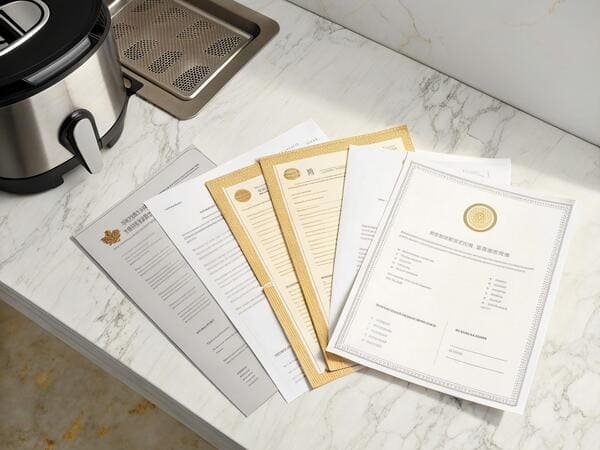
Once you have the documents, the next step is independent verification. Do not just trust the PDF file the supplier sends you. Forging documents is unfortunately not unheard of. Taking a few minutes to verify them online can save you from a major headache later.
A Step-by-Step Verification Process
Your primary tool for verifying a Chinese company’s business license is the National Enterprise Credit Information Publicity System (NECIPS)4. The official website is www.gsxt.gov.cn. While the site is in Chinese, you can use your browser’s built-in translation feature. Simply copy and paste the company’s full Chinese name or their 18-digit Unified Social Credit Code from the business license into the search bar. The search result should show a profile that matches the information on the license, including legal status, address, and business scope. If the status shows "abnormal" or "revoked," steer clear.
For international certificates5 like CE, RoHS, UL, or ISO 9001, look for the name of the issuing body on the certificate itself. Reputable labs like SGS, TÜV, Intertek, or Bureau Veritas all have online databases where you can input the certificate number6 to confirm its authenticity and validity period.
Common Red Flags7 During Verification
When we prepare our export documentation, we double-check everything for accuracy because we know what importers look for. Here are some red flags you should watch out for:
- Mismatched Information: The company name or address on a certificate doesn’t exactly match the business license.
- Expired Dates: The certificate’s validity period has passed.
- Certificate Not Found: The certificate number6 does not appear in the issuing body’s official database.
- Suspicious Formatting: The document looks like it has been digitally altered, with different fonts or blurry text.
| Certificate Type | Verification Method | Common Red Flags8 |
|---|---|---|
| Business License | Search on China’s NECIPS website (www.gsxt.gov.cn). |
"Abnormal" business status, mismatched address or name. |
| Product Certificates (CE, UL, RoHS) | Search the certificate number7 on the issuing lab’s (e.g., SGS, TÜV) official website. | Certificate not found, expired, product model does not match. |
| Quality System Certificates (ISO 9001) | Search the certificate number6 on the accreditation body’s website. | Mismatched company name, expired, scope is irrelevant. |
What online resources help verify supplier registration status?
You need quick, reliable information, but navigating foreign websites can be daunting. Using the right online tools is essential for effective due diligence. We often guide our new partners to these resources to give them peace of mind.
The primary online resource is China’s National Enterprise Credit Information Publicity System (www.gsxt.gov.cn) for business licenses. For trade platforms, Alibaba’s "Verified Supplier" and Made-in-China’s "Audited Supplier" badges indicate third-party verification has been done.
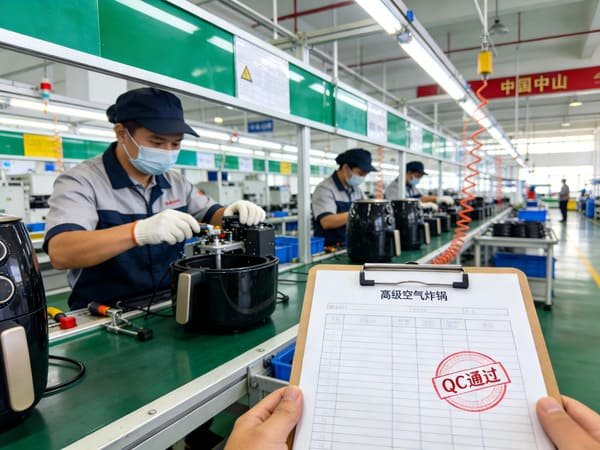
While direct document requests are crucial, several online platforms can provide a first layer of screening. These resources are especially helpful when you are shortlisting suppliers from a large pool. Think of it as a background check before you invest more time in direct communication.
Leveraging B2B Platforms
Major B2B platforms like Alibaba and Made-in-China have their own supplier verification programs. Look for badges like "Verified Supplier8" or "Audited Supplier." These badges mean the platform has hired a third-party inspection company9 (like SGS or TÜV Rheinland) to visit the factory, confirm its existence, and verify its business license. The verification report is often available for download on the supplier’s profile page.
On our own Alibaba profile, we prominently display our "Verified Supplier8" status because we know it helps build immediate trust with potential buyers. The report includes photos of our production lines, our main products, and confirmation of our export history.
Using Third-Party Verification Services
If you are placing a large order or want a deeper level of assurance, consider hiring a local verification service in China. For a relatively small fee (often $100-$300), these firms can conduct a basic factory audit10. They will visit the site, take photos, and provide an unbiased report confirming the supplier’s operational status and capabilities. This is a powerful way to confirm that the factory you see in marketing materials is the same one that will be producing your air fryers. These services bridge the gap when you can’t visit in person.
| Resource | Type of Information Provided | Best For |
|---|---|---|
NECIPS11 (www.gsxt.gov.cn) |
Official government data on business registration, legal status, and business scope. | Final, definitive verification of a company’s legal status. |
| Alibaba / Made-in-China | "Verified" or "Audited" badges, third-party audit reports, transaction history, reviews. | Initial screening and shortlisting of potential suppliers. |
| Third-Party Verification Agencies | On-site reports, photos, and independent assessment of factory operations. | In-depth due diligence before committing to a large or long-term order. |
How do I handle suppliers who lack proper qualifications?
What if a supplier offers a great price but can’t provide the right documents? It’s tempting to proceed, but the risks are significant. From our manufacturing standpoint, proper qualifications are non-negotiable for protecting both parties.
If a supplier cannot provide a valid business license or export qualifications, do not proceed with the order. Using an unqualified supplier risks fraud, customs seizure, poor quality, and legal complications. It is better to find a different, fully compliant supplier.
Encountering a supplier who is evasive about their qualifications is a clear warning sign. They might offer excuses, such as "we export through an agent" or "the documents are being updated." While sometimes legitimate, these claims require further scrutiny. If they can’t provide clear, verifiable proof of their or their agent’s qualifications, the risk falls entirely on you.
The Risks of Working with Unqualified Suppliers
The potential problems are serious. First, if they don’t have an export license12, your goods could be seized by Chinese customs, leading to a total loss of your deposit and a major delay. We see this happen to buyers who choose a supplier based on price alone. Second, a company operating without proper registration may not adhere to quality standards13, labor laws, or safety regulations. This exposes you to defective products and potential liability issues. For example, if an air fryer they produce causes a fire, and they lack proper certifications, your brand could face immense legal and reputational damage.
Finding a Reliable Alternative
If your chosen supplier falls short, the best course of action is to walk away. The initial time lost is far less costly than the potential financial and legal disaster of a bad partnership. Return to your sourcing process and focus on suppliers who are transparent and provide all their documentation upfront. A trustworthy partner understands that verification is a standard part of business and will facilitate the process. At our company, we see these requests as an opportunity to start the relationship on a foundation of trust and transparency. Don’t compromise on qualifications—it’s the cornerstone of safe and successful international trade.
Conclusion
Verifying a Chinese supplier’s qualifications is a critical, non-negotiable step. By requesting key documents, using online tools, and knowing when to walk away, you can protect your business and build successful partnerships.
-
Understanding the Business License is crucial for verifying a company’s legal existence and operational scope in China. ↩ ↩ ↩
-
This form is essential for confirming a company’s legitimacy in import and export activities, ensuring compliance with trade regulations. ↩ ↩
-
The ISO 9001 certificate indicates a company’s commitment to quality management, which is vital for maintaining product standards. ↩ ↩
-
Explore this link to understand how NECIPS can help you verify a Chinese company’s business license effectively. ↩
-
This resource will guide you on verifying international certificates, ensuring authenticity and compliance. ↩
-
Discover the best practices for checking certificate numbers to ensure they are valid and trustworthy. ↩ ↩ ↩
-
Learn about the common red flags to watch for during verification to avoid potential scams. ↩ ↩
-
Understanding the significance of ‘Verified Supplier’ can enhance your trust in potential suppliers. ↩ ↩ ↩
-
Learn how third-party inspection companies ensure supplier credibility and protect your investments. ↩
-
Discover the process and benefits of factory audits to ensure supplier reliability before large orders. ↩
-
Explore NECIPS for official data that can confirm a company’s legal status and business scope. ↩
-
Understanding export licenses is crucial to avoid legal issues and ensure smooth international transactions. ↩
-
Exploring quality standards helps ensure you partner with reliable suppliers, safeguarding your business from defects and liabilities. ↩