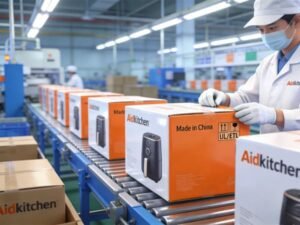
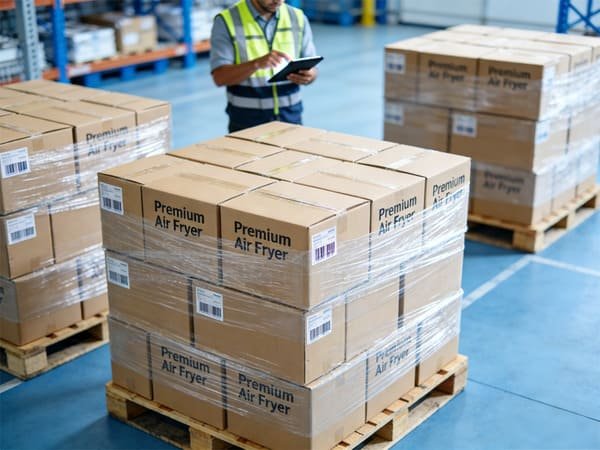
Worried about the complex process of shipping air fryers from China? You’re not alone. We see many of our partners struggle with delays and hidden costs, but a clear plan makes it simple.
To arrange air fryer logistics from China, first choose a shipping method like sea or air freight. Next, agree on Incoterms with your supplier to define responsibilities. Finally, partner with a reliable freight forwarder to handle customs clearance and final delivery.
Arranging international shipping might seem daunting, but it’s a manageable process. We often guide our new clients through these steps to ensure their products get from our factory floor to their warehouse smoothly. Let’s break down what you need to know.
What logistics options are available for importing air fryers?
Feeling overwhelmed by shipping choices? Picking the wrong one can erase your profit margins. Based on the thousands of units we ship annually, the best choice always depends on your specific budget and timeline.
The main logistics options are sea freight and air freight. Sea freight is best for large, non-urgent orders due to its low cost. Air freight, including express couriers, is much faster for urgent or small-batch shipments but costs significantly more per unit.
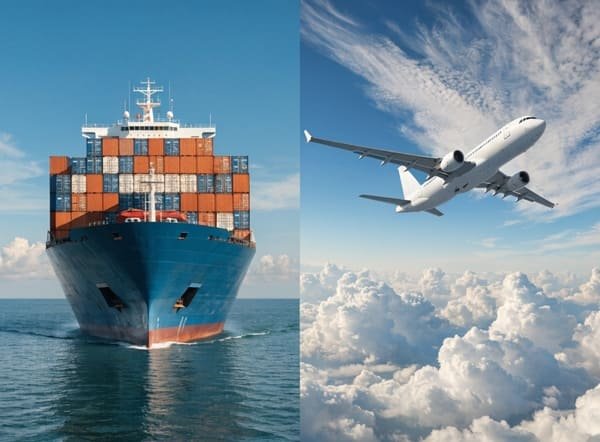
Understanding the pros and cons of each shipping method is the first step toward building a cost-effective supply chain. Air fryers are relatively bulky, which makes shipping a significant part of the total landed cost. Your decision here directly impacts your profitability.
Sea Freight: Your Go-To for Bulk Orders
Sea freight is the backbone of global trade and the most common method for shipping appliances like air fryers. It is significantly cheaper than air freight, especially for heavy and voluminous goods. When shipping by sea, you have two primary options:
- Full Container Load (FCL)1: You rent an entire container (usually 20ft or 40ft). This is ideal if you have enough cargo to fill most of a container. It’s generally faster and safer than LCL because the container is sealed at our factory and opened at your destination.
- Less than Container Load (LCL)2: Your goods share container space with cargo from other shippers. LCL is perfect for smaller orders that don’t justify a full container. While more economical for low volumes, it can take slightly longer due to the consolidation and deconsolidation process at ports.
Air Freight: When Speed is a Priority
When you need your air fryers quickly, air freight is the solution. This is common for initial sample orders, urgent restocks, or high-value product launches.
- Standard Air Cargo: Your shipment travels on a commercial or cargo airline. It’s faster than sea freight but more expensive. This is a good balance for shipments that are time-sensitive but too large for express services.
- Express Courier: Services like DHL, FedEx, or UPS offer the fastest door-to-door transit times, often in 5-10 days. This is the most expensive option and is typically reserved for small, urgent shipments or final product samples.
Here is a simple comparison to help you decide:
| Feature | Sea Freight | Air Freight |
|---|---|---|
| Cost | Low | High |
| Transit Time | Long (25-40 days) | Short (5-15 days) |
| Best For | Bulk orders, non-urgent goods | Small batches, urgent orders |
| Carbon Footprint | Lower | Higher |
How can I select the most reliable and cost-effective shipping method?
Choosing between reliability and cost can be a tough balancing act. We’ve seen clients save money with sea freight but miss key sales seasons due to delays. A clear strategy is essential.
To select the best shipping method, balance your urgency, budget, and volume. For large, planned orders, sea freight is most cost-effective. For urgent, small-volume needs, air freight is more reliable despite the higher cost. Always use a trusted freight forwarder.
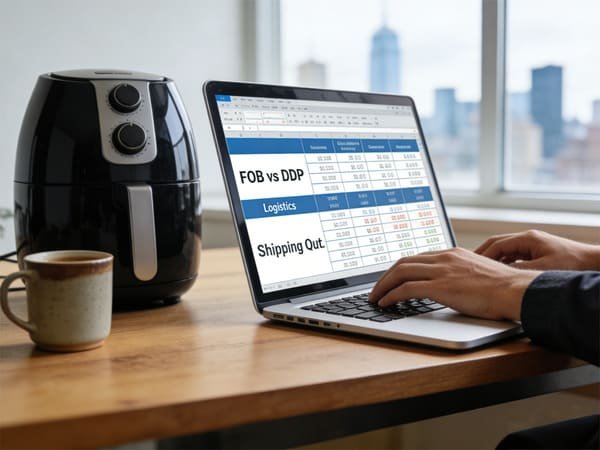
Selecting the right method involves more than just comparing price lists. You must also consider Incoterms, as they define who is responsible for costs and risks at each stage of the journey. Making a smart decision here protects your investment and ensures a predictable supply chain.
Define Your Priorities: Speed vs. Cost
The most fundamental choice is between speed and cost. If you are ordering inventory for a major holiday sale, you might plan months ahead and use sea freight to maximize your profit margin. However, if a product suddenly goes viral and you run out of stock, the high cost of air freight may be justified to capture sales you would otherwise lose. Always analyze the total cost, including potential lost revenue from stockouts.
Understand Incoterms3
Incoterms3 are internationally recognized rules that define the responsibilities of sellers and buyers. When we create a contract with a client, we clearly state the Incoterm to avoid any confusion. The most common ones for shipping from China are:
- FOB (Free On Board)4: We, the supplier, are responsible for getting the goods to the designated port in China. From that point on, you (the buyer) are responsible for the sea/air freight, insurance, and import customs. This gives you control over your shipping partners and costs.
- CIF (Cost, Insurance, and Freight)5: We handle and pay for shipping the goods to your destination port. However, you are responsible for import clearance, duties, and any transport from the port to your warehouse.
- DDP (Delivered Duty Paid): This is a complete door-to-door service. We manage the entire process, including shipping, insurance, customs clearance, and paying duties. It’s the simplest option for you but may offer less control and potentially higher costs.
| Incoterm | Supplier’s Responsibility | Buyer’s Responsibility | Best For |
|---|---|---|---|
| FOB | Deliver to China Port | Main freight, insurance, import | Buyers who want control |
| CIF | Deliver to Destination Port | Import clearance, local delivery | Buyers wanting simpler freight |
| DDP | Deliver to Final Door | Unloading at the destination | Buyers wanting hands-off service |
Partner with a Freight Forwarder
A reliable freight forwarder6 is your most valuable partner in logistics. They are experts who can provide quotes for different shipping methods, book space on vessels or aircraft, manage documentation, and coordinate the entire process. They can find the best balance of cost, speed, and reliability for your specific needs.
What information should I provide to logistics partners?
To get an accurate quote and ensure a smooth process, your freight forwarder needs precise details. When we prepare a shipment, we compile all this information for our clients and their logistics partners to prevent any delays.
You must provide your logistics partner with the commercial invoice, packing list, and supplier contact details. They also need the total cargo weight, volume (CBM), number of cartons, pickup address (our factory), and final delivery address for an accurate quote.
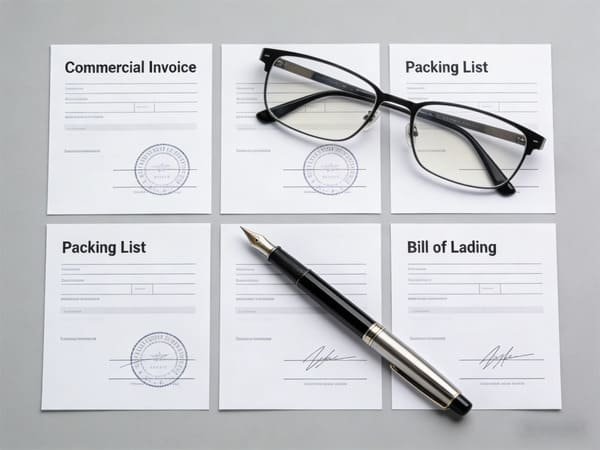
Providing incomplete or inaccurate information is a common cause of shipping delays and unexpected fees. A professional freight forwarder will give you a clear checklist of what they need. Being prepared will make the entire process faster and more efficient for everyone involved.
Essential Shipment Details
Your logistics partner’s first request will be for the core details of your cargo.
- Product Description: Clearly state "Air Fryers7."
- Total Gross Weight & Net Weight: The gross weight includes packaging, which is used for calculating freight costs.
- Total Volume: Measured in cubic meters (CBM), this is crucial for sea freight and for determining how much space your cargo will occupy.
- Number and Type of Packages: For example, "150 cartons on 5 pallets."
- Dimensions of Cartons/Pallets: Length, width, and height of each unit.
Key Documents
Accurate documentation is non-negotiable for international trade. These are the primary documents you will handle:
- Commercial Invoice8: Shows the value of the goods, which is used by customs to determine duties and taxes.
- Packing List: Details the contents of your shipment, including quantities, weights, and dimensions for each carton. It’s used by customs to verify the cargo.
- Bill of Lading (B/L) or Air Waybill (AWB): This is the contract between you and the carrier. It acts as a receipt for your goods and a document of title.
Addresses and Contact Information
Your forwarder needs to know where the journey starts and ends.
- Shipper’s Information: This would be our factory’s address and contact person.
- Consignee’s Information: This is your company’s name, address, and contact details for the final delivery.
Here is a quick checklist of information to prepare:
| Information Category | Specific Details Required |
|---|---|
| Cargo Details | Product name, Gross/Net Weight, Volume (CBM), Dimensions |
| Document Details | Commercial Invoice8, Packing List, Certificate of Origin (if needed) |
| Address Details | Factory pickup address, Final delivery address |
| Contact Details | Supplier contact, Consignee contact, Notify party (if any) |
How do I track and manage air fryer shipments?
Once your air fryers leave our factory, staying informed about their location is crucial for planning. Losing visibility of your shipment can lead to logistical chaos, from scheduling warehouse staff to informing your customers.
To track your shipment, use the tracking number (Bill of Lading or Air Waybill number) provided by your freight forwarder on their website or the carrier’s portal. For better management, maintain regular communication with your forwarder for updates on customs clearance and delivery.
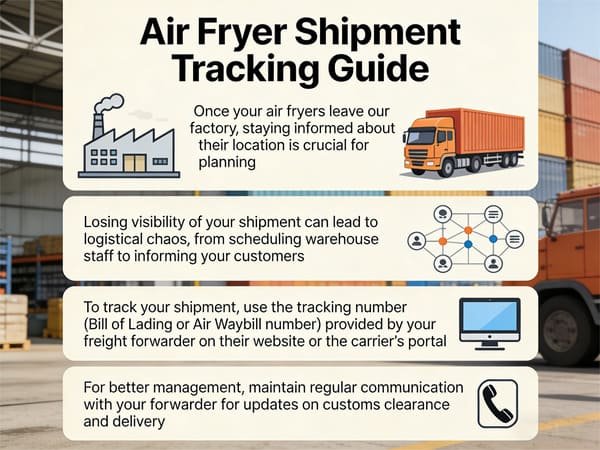
Modern logistics technology has made tracking easier than ever. Proactive management involves more than just watching a dot on a map; it means anticipating potential delays and communicating with all parties involved to ensure a smooth arrival.
Using Tracking Numbers
After your shipment is dispatched, you will receive a unique tracking number.
- For Sea Freight: This will be a Bill of Lading (B/L) number or container number. You can use it to track the vessel’s journey on the shipping line’s website (e.g., Maersk, COSCO) or through a universal tracking portal.
- For Air Freight: You will receive an Air Waybill (AWB) number. This can be tracked directly on the airline’s cargo tracking website.
- For Express Couriers: Companies like DHL and FedEx provide a tracking number that gives detailed, step-by-step updates on their websites.
The Role of Your Freight Forwarder
While you can track the shipment yourself, your freight forwarder is your primary point of contact. Their job is to manage the shipment proactively. They will:
- Provide you with the tracking numbers and links.
- Send you regular status updates, especially at key milestones like departure, arrival at port, and customs clearance.
- Alert you immediately to any delays, such as customs inspections or bad weather, and advise on the next steps.
A good forwarder provides a single source of truth, so you don’t have to contact multiple carriers or agents.Using Tracking Numbers
After your shipment is dispatched, you will receive a unique tracking number9.
- For Sea Freight: This will be a Bill of Lading (B/L) number or container number. You can use it to track the vessel’s journey on the shipping line’s website (e.g., Maersk, COSCO) or through a universal tracking portal.
- For Air Freight: You will receive an Air Waybill (AWB) number. This can be tracked directly on the airline’s cargo tracking website.
- For Express Couriers: Companies like DHL and FedEx provide a tracking number9 that gives detailed, step-by-step updates on their websites.
The Role of Your Freight Forwarder
While you can track the shipment yourself, your freight forwarder10 is your primary point of contact. Their job is to manage the shipment proactively. They will:
- Provide you with the tracking number9s and links.
- Send you regular status updates, especially at key milestones like departure, arrival at port, and customs clearance.
- Alert you immediately to any delays, such as customs inspections or bad weather, and advise on the next steps.
A good forwarder provides a single source of truth, so you don’t have to contact multiple carriers or agents.
Managing Arrival and Customs Clearance
Tracking is most critical as the shipment nears its destination. Once the vessel or aircraft arrives, the cargo must be cleared by customs. Your freight forwarder10 or a designated customs broker will handle this process. They will submit all the necessary documents and pay any duties on your behalf (if that’s part of your agreement). Stay in close contact with them during this stage to know exactly when your goods will be released and ready for final delivery to your warehouse. This allows you to schedule labor and warehouse space accordingly.
Managing Arrival and Customs Clearance
Tracking is most critical as the shipment nears its destination. Once the vessel or aircraft arrives, the cargo must be cleared by customs. Your freight forwarder or a designated customs broker will handle this process. They will submit all the necessary documents and pay any duties on your behalf (if that’s part of your agreement). Stay in close contact with them during this stage to know exactly when your goods will be released and ready for final delivery to your warehouse. This allows you to schedule labor and warehouse space accordingly.
Conclusion
Arranging logistics for your air fryers from China is a structured process. By choosing the right shipping method, understanding Incoterms, and working with a reliable freight forwarder, you can ensure a smooth, cost-effective delivery.
-
Exploring this link will provide insights into the advantages of FCL shipping, helping you make informed decisions for your bulk orders. ↩
-
This resource will clarify LCL shipping, making it easier for you to understand its cost-effectiveness for smaller shipments. ↩
-
Understanding Incoterms is crucial for smooth international trade, ensuring clarity in responsibilities and costs. ↩ ↩
-
Exploring FOB will help you understand how to control shipping costs and responsibilities effectively. ↩
-
Learning about CIF can simplify your shipping process and clarify your financial responsibilities. ↩
-
Discovering the role of a freight forwarder can enhance your logistics strategy and save you time and money. ↩
-
Explore this link to discover top-rated air fryers, helping you make an informed purchase decision. ↩
-
Understanding the commercial invoice is crucial for smooth international trade; this resource provides essential insights. ↩ ↩
-
Understanding tracking numbers is essential for monitoring your shipment’s progress and ensuring timely delivery. ↩ ↩ ↩
-
Exploring the role of freight forwarders can help you understand how they facilitate smooth shipping and customs processes. ↩ ↩