

Worried about faulty air fryers affecting your brand? Poor after-sales support can erode profits and customer trust. We build our products to last, but also know that a solid service plan is non-negotiable.
To evaluate after-sales policies for air fryers from China, you must scrutinize the warranty’s duration and coverage. Assess the claim process, exclusions, and the supplier’s support infrastructure. For international buyers, clarifying return shipping costs and communication channels is absolutely critical before placing an order.
A good after-sales policy is a sign of a reliable partner. It shows they stand behind their product quality. Let’s break down what you need to look for to protect your investment and your brand’s reputation.
What key elements should I look for in after-sales service policies?
Vague service policies can hide major risks for your business. When we draft our service agreements, clarity is our top priority to build trust. An unclear policy often means trouble ahead.
The key elements are warranty duration, scope of coverage, the claim process, and a clear list of exclusions. You must also verify support channels for technical assistance and the availability of spare parts. These elements determine the real-world value of the supplier’s service commitment.

When you review a supplier’s after-sales service policy, it’s easy to get lost in legal jargon. You need to focus on the practical details that will impact your business if a product fails. A one-year warranty sounds standard, but the details within that year are what truly matter.
Warranty Duration and Coverage Scope
The first thing most buyers look at is the warranty period, which is typically 1 to 2 years for Chinese air fryers. However, the duration alone is not enough. You must understand what is covered. A "limited warranty1" is standard and usually covers manufacturing defects in materials and workmanship. This includes key components like the heating element, fan motor, and control panel. It does not cover issues from user error.
A strong policy will explicitly state which parts are covered and for how long. For example, some suppliers might offer a longer warranty on the motor than on the cosmetic parts. We’ve seen an industry trend where some offer extended coverage on heating tubes, as these can be a common point of failure in lower-quality models. Always ask for this breakdown.
The Claim Process and Required Documentation
A great warranty is useless if the claim process2 is impossible to navigate. A clear policy should outline the exact steps for filing a claim. This usually involves contacting a specific support email or portal, providing a description of the fault, and submitting proof.
Here is a table outlining typical documentation requirements3:
| Document/Information | Purpose | Why It’s Critical |
|---|---|---|
| Original Purchase Invoice | To verify the date of purchase and ownership. | Most claims are denied without it. |
| Product Model & Serial Number | To identify the specific unit and its production batch. | Helps the factory trace potential batch-wide issues. |
| Photos or Videos of the Fault | To provide clear evidence of the defect. | Speeds up troubleshooting and approval. |
| Description of the Problem | To help technicians understand the issue. | Vague descriptions can lead to delays or incorrect diagnoses. |
Common Exclusions to Watch For
Exclusions are where many buyers get caught off guard. Every warranty will have them. It’s your job to understand them before you commit. Common exclusions include damage from misuse, such as using the wrong voltage, physical damage from drops, or using the appliance for commercial purposes when it’s designed for home use. Unauthorized repairs or modifications will almost always void the warranty. In our production, we include clear user manuals to help prevent these issues, but it’s crucial the warranty policy itself lists these limitations.
How can I compare after-sales support between different suppliers?
Comparing suppliers based on price is easy, but comparing service quality is harder. On our factory floor, we know that support infrastructure is as important as the production line itself.
To compare after-sales support, create a checklist. Score each supplier on warranty terms, communication responsiveness, spare parts availability, and technical expertise. Request policy documents from each and conduct a test query to gauge their actual response time and helpfulness before signing any contract.

A supplier’s promises on a sales call mean very little. You need to gather objective data to make an informed comparison. Think of it as conducting due diligence on their service department, not just their products. A reliable partner will be transparent and responsive during this evaluation phase.
Create a Supplier Comparison Matrix4
Use a simple table to organize your findings. This will give you a clear, side-by-side view of what each supplier truly offers. It turns subjective feelings into objective data points.
Here is a sample matrix you can adapt:
| Feature | Supplier A | Supplier B | Supplier C |
|---|---|---|---|
| Warranty Period5 | 12 Months | 24 Months | 18 Months |
| Coverage | Parts & Labor (defects only) | Parts only | Parts & Labor (includes shipping) |
| Claim Method | Email only | Online Portal & WhatsApp | Email & Phone |
| Response Time6 (Test) | 48 hours | 4 hours | 24 hours |
| Spare Parts Policy | Sells parts after warranty | Provides 1% free parts with order | Sells parts, 4-week lead time |
| Technical Support7 | General sales staff | Dedicated engineering team | Outsourced call center |
| Return Shipping Pays | Buyer | Supplier (for confirmed defects) | Split 50/50 |
Test Their Responsiveness and Expertise
The best way to gauge a supplier’s support is to test it. Send a technical question to the after-sales contact provided. For instance, ask: "If the fan in model XYZ becomes noisy after 3 months, what is the troubleshooting process, and what information would you need from me?"
Their response will tell you several things:
- Speed: How long does it take them to reply? A response within 24 business hours is a good sign.
- Clarity: Is their answer clear, professional, and helpful? Or is it a generic, copied-and-pasted reply?
- Expertise: Does the person answering seem to have technical knowledge, or are they just a salesperson passing the message along? A knowledgeable response shows they have a dedicated support system.
In our experience, a supplier that invests in a skilled, responsive support team is one that is serious about long-term partnerships.
What questions should I ask about warranty and repair services?
To avoid future problems, you must ask direct and specific questions. From our perspective in handling international orders, we find that clear communication upfront prevents 90% of disputes later on.
Ask who pays for shipping on returns and how long repairs take. Clarify if they offer replacement units or just repairs. Inquire about the process and cost of obtaining spare parts after the warranty expires. These questions reveal the true cost and efficiency of their service.

Don’t assume anything. Get everything in writing. A professional supplier will welcome these questions because it shows you are a serious and detail-oriented partner. Vague answers are a major red flag. If they can’t answer these questions clearly, they likely don’t have a robust process in place.
Uncovering Hidden Costs and Timelines
The most important questions revolve around money and time. A "free repair" is not free if you have to pay $100 for international shipping to send the defective unit back to China.
Key Questions to Ask:
- Shipping Costs8: "For a defective unit under warranty, who is responsible for the shipping costs to your facility and for the return shipping back to me?"
- Repair Turnaround Time9: "What is your average turnaround time for a standard repair, from the day you receive the unit to the day it ships back out?" Be aware that shipping can add several weeks to this time.
- Replacement vs. Repair10: "Under what conditions do you offer a full replacement unit instead of a repair?" This is important for brand-new units that are dead on arrival.
- Spare Parts11: "What is your policy for providing or selling spare parts after the warranty period ends? What are the typical costs and lead times?" Your ability to support customers long-term depends on this.
Understanding Service Logistics
For international buyers, the logistics of service are complex. A supplier might have an excellent repair facility in China, but that doesn’t help you much if you’re in the United States or Europe.
This table highlights logistical questions:
| Question Category | Specific Question to Ask | Why It’s Important |
|---|---|---|
| Service Location | "Do you have any authorized third-party repair centers in my region (e.g., North America/EU)?" | Local centers drastically reduce shipping costs and repair times. |
| Customs & Duties | "Who is responsible for customs clearance and duties for warranty-related shipments?" | These fees can be unexpected and significant. |
| Loaner Units | "Do you offer loaner units for critical failures, especially for B2B clients with stock issues?" | Unlikely, but asking shows you’re thinking about business continuity. |
| Support Hours | "What are your technical support team’s operating hours, and in what time zone?" | Determines if you can get help during your own business hours. |
The answers will paint a realistic picture of the support you will actually receive.
How do I ensure the supplier’s after-sales commitments are reliable?
A promise in an email is not a guarantee. We’ve seen competitors make grand claims but fail to deliver, damaging their clients’ businesses. Verifying these commitments is a crucial risk management step.
To ensure reliability, get all service commitments in writing within a formal supply contract. Also, vet the supplier’s reputation through third-party factory audits, online reviews, and by asking for references from buyers in your region. A reliable supplier will have a track record to prove it.
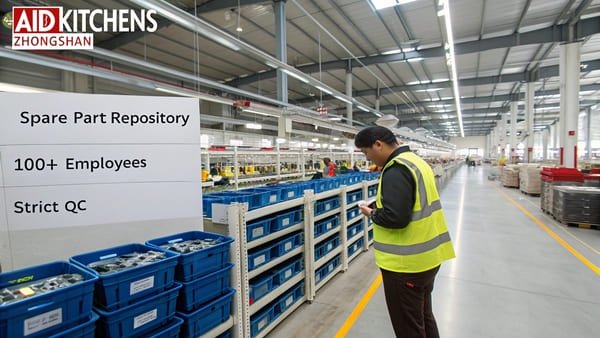
Trust must be earned and verified. Don’t rely solely on the supplier’s word. Independent verification and legally binding agreements are your best tools for ensuring their after-sales commitments are more than just empty promises. This protects your investment and ensures you can, in turn, provide reliable service to your own customers.
Put It in the Contract
The single most important step is to integrate the after-sales service policy12 directly into your legally binding supply agreement or purchase order. Do not rely on a separate, non-binding warranty document or an email conversation.
Your contract should specify:
- The full warranty period, including start and end triggers (e.g., starts from date of shipment or date of delivery).
- A detailed summary of what is covered and what is excluded.
- The step-by-step claim procedure.
- Clear allocation of all potential costs, especially shipping and customs fees.
- Agreed-upon timelines for repair or replacement.
- The policy for providing spare parts.
Having this in the contract gives you legal recourse if the supplier fails to honor their commitment.
Conduct Due Diligence
Before signing, verify the supplier’s track record. A supplier with a history of good service is likely to continue that practice.
- Factory Audits13: A third-party audit can be invaluable. The auditor can inspect not only the production lines but also the after-sales support department. They can verify if the supplier has dedicated staff, a stock of spare parts, and a documented process for handling claims. We welcome audits because it demonstrates our commitment to transparency.
- Seek References: Ask the supplier for references from other buyers, preferably from your country or region. Contact these references and ask them about their direct experience with warranty claims. Did the supplier honor their policy? Were there any hidden costs or long delays?
- Check Online Reputation: Look for reviews or discussions about the supplier on B2B platforms like Alibaba, industry forums, or even Google. While online feedback can be mixed, a consistent pattern of complaints about after-sales service is a serious warning sign.
Conclusion
Evaluating after-sales policies is crucial for a successful partnership. Look beyond the warranty duration and dig into the details of coverage, costs, and processes to protect your business.
-
Understanding a limited warranty is essential for making informed purchasing decisions and knowing your rights. ↩
-
Learning about the claim process can save you time and frustration when you need to file a warranty claim. ↩
-
Knowing the documentation needed can help ensure your warranty claims are processed smoothly and efficiently. ↩
-
Explore this resource to understand how to effectively compare suppliers and make informed decisions. ↩
-
Learn why warranty periods matter in supplier agreements and how they can impact your business. ↩
-
Understand the significance of response time in supplier relationships and its effect on service quality. ↩
-
Discover key factors to assess technical support from suppliers to ensure reliable assistance. ↩
-
Understanding shipping costs can help you budget for potential expenses when dealing with warranty repairs. ↩
-
Knowing the average turnaround time helps you plan for downtime and manage expectations during repairs. ↩
-
This information is crucial for understanding your options if a product is dead on arrival. ↩
-
Exploring spare parts policies ensures you can maintain your product long-term without unexpected costs. ↩
-
Understanding after-sales service policies can help you ensure your contracts are comprehensive and protect your interests. ↩
-
Exploring the benefits of factory audits can enhance your supplier selection process and ensure quality assurance. ↩